


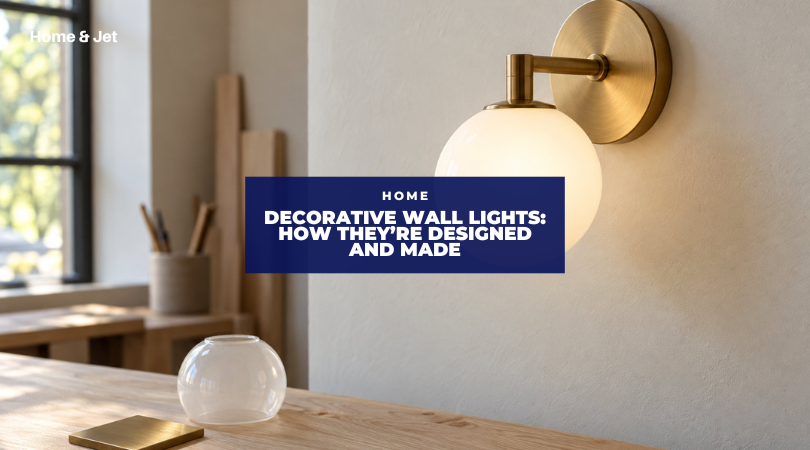
How Decorative Wall Lights Are Designed and Made
Discover how decorative wall lights transform interiors by combining thoughtful design, material selection, and expert craftsmanship. This article explains the unique features, design processes, and performance factors behind designer decorative wall lights by Visual Comfort UK.
Wall lights have long moved beyond basic illumination, becoming design features that can shape the personality of a room. The right wall lighting changes how you perceive space, adds warmth, and introduces layers of atmosphere that ceiling fixtures or table lamps alone cannot achieve. For those interested in choosing well, understanding how they come to life offers valuable perspective, helping you appreciate what differentiates a considered piece from a purely functional one.
What makes a wall light decorative
Decorative wall lights are defined by their ability to do more than simply cast light. They often serve as sculptural statements, playing with form, proportion, and finish to complement or frame the architecture and furnishings of a space. Well-chosen fixtures can soften hard boundaries, create visual rhythm alfromong a corridor, or balance a room’s symmetry. By acting as focal points, they can bring a sense of intention to areas that might otherwise feel overlooked.
From concept to design brief
The process begins with identifying a specific need or mood an interior requires. Designers must consider mounting points, the lines of sight from key positions, and how light will interact with surfaces. The design brief typically details the kind of effect desired, perhaps a soft ambient glow for a living room, or accent lighting to highlight architectural details. This stage balances aesthetics with technical precision, as early choices will shape both the fixture’s look and how it ultimately delivers light.
Materials, finishes, and their impact
The materials chosen for decorative wall lights influence both their durability and character. Metals such as brass or steel underpin many designs, offering strength and the possibility for intricate finishes, be it polished, brushed, or aged for patina. Glass shades, whether opal, clear, or coloured, can further shape the fixture’s ambience and how light is diffused.
Natural materials like linen or stone sometimes appear in shades or accents, adding tactile variety. The finishing process is critical: higher quality finishes not only look richer, but they are more resistant to scratches and environmental wear, helping the piece age well.
Craftsmanship and build quality
Behind every designer wall light is careful assembly and attention to construction details. Soldered or welded metalwork, precision-joined components, and hand-fitted shades can result in a fixture that feels solid and thoughtfully crafted. The assembly method affects how light fixtures hold up to repeated use and maintenance, and quality diffusers can help prevent visible strain or misalignment over time.
Performance and comfort in use
Light quality is about more than brightness. Many wall lights are designed with glare control and considered beam directions to avoid harsh shadows or unwanted reflections. Shade material and form play a role in diffusing and softening the effect. The colour temperature of bulbs or integrated LEDs will influence whether the space feels crisp and invigorating or relaxed and inviting.
Technical factors often overlooked
When selecting fixtures, it is easy to miss key technical details. The size and depth of the backplate, wiring compatibility for UK homes, dimming options, bulb types, and adherence to relevant safety standards all affect whether installation is straightforward or problematic. Different rooms have specific needs: for example, a bathroom wall light faces moisture, while hallway fixtures must avoid obstructing movement.
Style and coordination with the broader scheme
A convincing decorative scheme makes wall lighting part of an intentional story. Coordinating wall lights with ceiling pendants and table lamps is less about exact matches and more about linking finishes, general forms, or materials, avoiding uniformity. Consistency can deliver a sense of flow, especially valuable in open-plan homes, but thoughtful contrast can also provide moments of personality and help create a modern, stylish home.
Knowing what goes into the making and design of decorative wall lighting prepares you to assess options in a more informed way. Visual Comfort designs and curates premium decorative and architectural lighting that blends timeless design, craftsmanship, and performance for residential and commercial spaces. For more information, visit the Visual Comfort homepage.
Learn how decorative wall lights are planned, crafted, and finished, from materials and build quality to glare control and technical fit.