


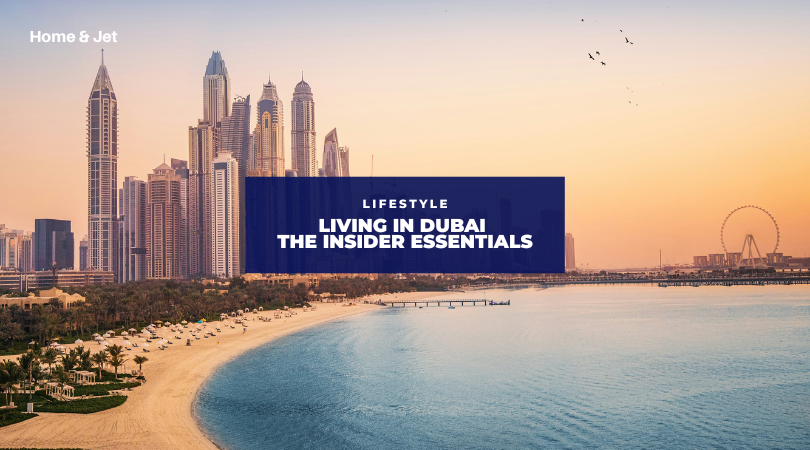
Living in Dubai: The Insider Essentials Every New Resident Needs to Know
Dubai sounds like a fantasy until you actually move there. The skyline is as dramatic as the photographs suggest. The infrastructure works. The sun shines for most of the year.
But living in Dubai is also a practical experience. It requires paperwork, planning, and a willingness to learn how a city like Dubai actually operates.
Before settling into daily life, the first priority is getting your paperwork in order. Whether you are relocating for work, starting a business, or chasing a better quality of life, this guide covers what the glossy brochures tend to leave out.
Getting Your Paperwork in Order
Almost everything in Dubai flows from your residency visa. Without it, you cannot open a bank account, sign a lease, or access most services.
If you are moving for a job, your employer will usually handle this. If you are arriving independently, the process takes more initiative but is entirely manageable.
Residency visas are issued for two or three years and are renewable. Once yours is stamped, apply for your Emirates ID straight away. It is a mandatory identification card that you will use constantly. Delays in getting it will slow down everything else.
Health insurance is also mandatory for all Dubai residents. Most employers provide it. If yours does not, arrange your own policy before your visa is finalized.
Finding a Place to Live
Dubai's neighborhoods each have a distinct personality. Where you live will shape your daily experience.
Downtown Dubai is central and walkable. It sits at the foot of the Burj Khalifa and next to the Dubai Mall. It suits those who want to be in the middle of everything and are willing to pay for it.
Jumeirah and Umm Suqeim are popular with families and long-term expats. The streets are quieter, schools are nearby, and the beach is close.
Dubai Marina and JBR attract younger residents who want a social, high-rise lifestyle near the water.
Al Quoz and Alserkal Avenue appeal to those drawn to the arts and independent business scene. Rents are lower, and the community is tight-knit.
Rental contracts in Dubai are typically annual. Payment is often made upfront in one to four post-dated cheques. This surprises many newcomers. Budget carefully before you sign anything.
Once your accommodation is sorted, the next practical step is figuring out how you will get around the city.
Getting Your Driving License
You will almost certainly need a car in Dubai. Public transport has improved, but the city's scale makes a personal vehicle close to essential.
If you hold a license from an approved country — including the UK, USA, Australia, and Germany — you can convert it to a UAE license with minimal testing.
If your country is not on the list, you will need to go through the full process from scratch. This includes a theory test, a hazard perception test, and practical lessons.
Enrolling in a reputable driving institute in Dubai early in your stay is strongly recommended. The process can take several months. Having a license opens up your daily life. The Emirates Driving Institute and Galadari Motor Driving Center are among the most established, with branches across the city.
With the mobility side taken care of, it's time to sort out your finances in Dubai.
Setting Up Your Finances
Dubai is cash-friendly, but most residents rely on bank accounts and cards. Opening an account requires your passport, visa, Emirates ID, and proof of address — usually a tenancy contract or utility bill.
Major banks include Emirates NBD, ADCB, Mashreq, and HSBC. Compare options before committing.
Salaries in Dubai are paid tax-free. There's no income tax, capital gains tax, or inheritance tax to worry about. For those looking to structure their business affairs efficiently, offshore company formation in Dubai is a well-established route. It allows individuals to hold assets and conduct international business through a legal entity in one of Dubai's many free zones.
Full foreign ownership and easy profit repatriation are among the main advantages. A licensed corporate services provider can help you choose the right free zone for your business activity.
Daily Life and Getting Connected
Once the foundations are in place, daily life in Dubai is genuinely comfortable. Supermarkets are well-stocked. Roads are well-maintained. Healthcare is strong. The city is safe.
Mobile and home internet are fast and reliable. Services are provided by e& (formerly Etisalat) and du. Both offer competitive home broadband packages, and most buildings are already wired for high-speed access.
For home entertainment, many residents use IPTV online services to access a wider range of international channels and on-demand content. This is especially popular among expats who want to keep up with programming from their home countries.
Understanding the Culture
Dubai is open and cosmopolitan. But it is also part of a Muslim country with its own values and customs. Respecting those customs matters.
During Ramadan, eating, drinking, and smoking in public during daylight hours is not permitted for anyone. Dress modestly in malls, souks, and government buildings. Public displays of affection are discouraged.
These adjustments are not difficult to make. Most long-term residents come to appreciate the atmosphere and rhythm these customs create.
English is spoken almost everywhere in Dubai's professional and social life. Even so, learning a few words of Arabic is always appreciated.
Beyond logistics and convenience, adapting to local customs is just as important for a smooth experience.
Final Thoughts
Dubai rewards patience and an open mind. The first few months will involve more administration than you expect. Processes that seem simple will sometimes need an extra document or an extra visit to a government office.
But once you are settled, the city delivers. The lifestyle is comfortable. The opportunities are real. The community of people who have chosen to build their lives here is one of the most international you will find anywhere.
Give it six months before you make up your mind. Most people who do end up staying far longer than they planned.
About the author:
Sofiko Saltkhutsishvili is a content writer and a Partner Marketing Manager at SEO Sherpa – Global Best Large SEO Agency Winner. The agency focuses on SEO, PPC, Digital PR, and Search Everywhere Optimization.
Sofiko enjoys conducting in-depth research on topics she writes about and shares her authentic experiences with readers. On the side, she is a Creator Agent, connecting LinkedIn creators to the right brands for partnerships. Originally from beautiful Georgia, she currently resides in its capital, Tbilisi.
Moving to Dubai? From visas and driving licenses to finances and daily life, here is everything you need to know before and after you arrive.