


Ha Giang Loop Without Riding a Motorbike: Car and Easy Rider Options for the Same Passes
A Ha Giang Loop trip without riding a motorbike means sitting on the back of an easy rider's bike, or in a car or a jeep with a driver. You don't drive. You just sit, look around, and get off at the stops.
It's one of the things I'd tell most visitors to do. I ride the loop myself, but I've also done it on the back of someone else's bike, and it's just as good. From the back seat, you spend the whole descent from Dong Van looking at the view, which is the part I miss when I'm the one riding.
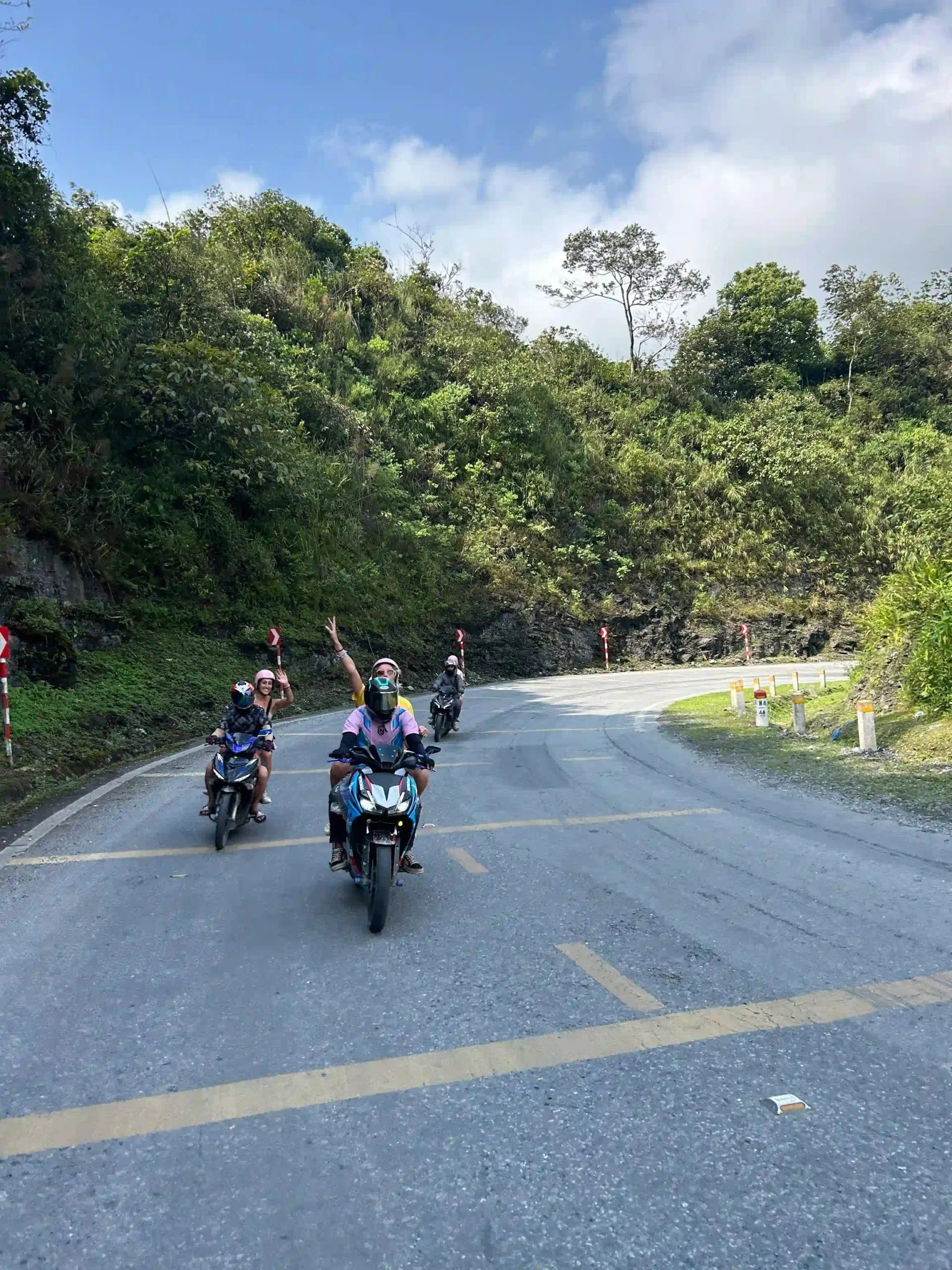
Riding pillion on the Ha Giang Loop. Photo: Vietadvisor.
The loop is about 350km of mountain road in the far north of Vietnam, starting and finishing in Ha Giang city, six or seven hours north of Hanoi by road.
The short version: an easy rider costs $150 to $170 for three days, $190 to $230 for four. A car or a jeep is $230 to $320 a head. The licence rules out self drive for most people anyway.
Can I Do the Loop Without a Licence?
Yes, and for most people that's the whole question. Vietnam recognises international driving permits issued under the 1968 Vienna Convention, and not the 1949 one. That leaves out travellers from the US, Canada, Australia, Ireland and Japan, among others, and you also need the motorcycle category on your licence at home.
Rental shops will hand you a bike anyway. The problem only shows up afterwards, when an insurer looks at a claim and sees you were riding without a licence they recognise.
In April 2026, after a British traveller died on the road, the province ruled that motorbike tours have to go through licensed Vietnamese operators and issue written contracts, with a carded guide staying with every group. In practice you can ask two questions when booking, whether they're licensed and whether you'll get a contract. Anyone who answers both without hesitating is probably the sort of company you want.
Easy Rider or Jeep?
For most people I'd pick the easy rider. The drivers are on this road every week, they know where the gravel collects on the corners, and it only costs twenty or thirty dollars more than doing it yourself. I ride and I still think it's the better choice for most people.
You're out in it all day, and by the end of day two you're cold and stiff even in October. Sitting pillion is less tiring than riding, so three days is more bearable as a passenger.
The jeep suits anyone travelling with parents or with children, or with anyone who doesn't want to be on a bike at all. A private car with a driver, or an open-top jeep, runs $230 to $320 a head for three days. A seven-seater with a driver comes to $400 to $600 for four days and splits up to six ways, so it isn't as expensive as it sounds. The jeep still leaves you out in the open, with the wind and the view and a canvas roof over your head when it rains.
Mr Hung Tourism, 31 Nguyễn Văn Cừ, runs the loop by car as well as by bike. It's the operator I'd name first for the car version.
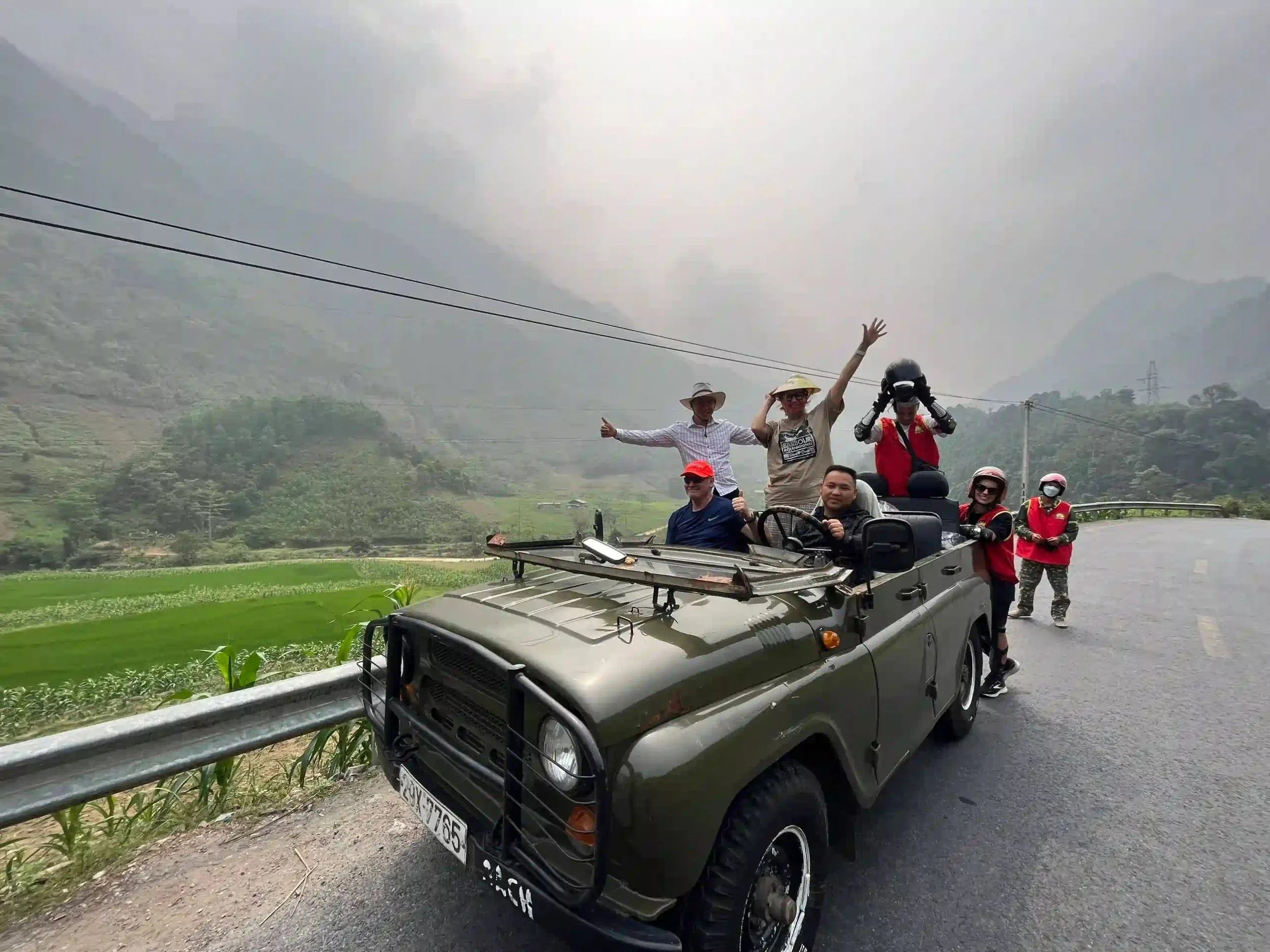
An open-top jeep on the loop. Photo: Vietadvisor.
The thing to watch in a car is motion sickness. The road is switchbacks for hours. Tablets work if you take them before you set off.
What Does an Easy Rider Tour Cost?
$150 to $170 for three days, $190 to $230 for four, in 2026. That covers the driver, his bike, fuel, homestays, family-style meals, the border permit and entrance fees, and your big bag stays in a storeroom in Ha Giang city. The route, the bikes and the homestays barely change between companies, so when one company is sixty dollars more than the next, you're paying for the things below.
What matters more than the price is whether there's a separate English-speaking group leader on his own bike. Most easy riders have a few dozen words of English, which is fine, because explaining Pa Vi to you isn't their job. The better companies send a leader to do all of that talking, and since April 2026 it isn't optional.
The check takes about two minutes. Open the company's Google reviews and read ten of them, watching for names. A leader and a driver thanked separately means two people doing two jobs, which is what you want.
It's worth asking whether the drivers drink at dinner. Homestay evenings run on corn wine, and a good company answers no without making anything of it. A photo of the helmet they provide is worth asking for, because the thin plastic hats from Hanoi scooters aren't protective equipment on a mountain pass.
The tip is $10 to $20 a day per rider, cash in dong, at the end, and the leader gets one too.
Cash is the other thing. About 3,000,000 VND for the loop itself, and ATMs only in Ha Giang city, Dong Van and Meo Vac, with very little in between.
What About the Weather?
Fog can bring visibility on Ma Pi Leng and Quan Ba down under ten metres, mostly from November to February, and it can sit there for a day at a time. September and October are the best months by some distance, and May to August is the wet season, when the jeep is the only option that keeps you dry.
Do You See the Same Things?
Yes. Nothing about the stops changes. Quan Ba comes about an hour out of the city, with the Fairy Bosom hills below the viewpoint. Dong Van has an old quarter that's pleasant for an evening, and the Sunday market is the one worth getting up for. Lung Cu flag tower is the northernmost point of Vietnam, best early and busy by ten.
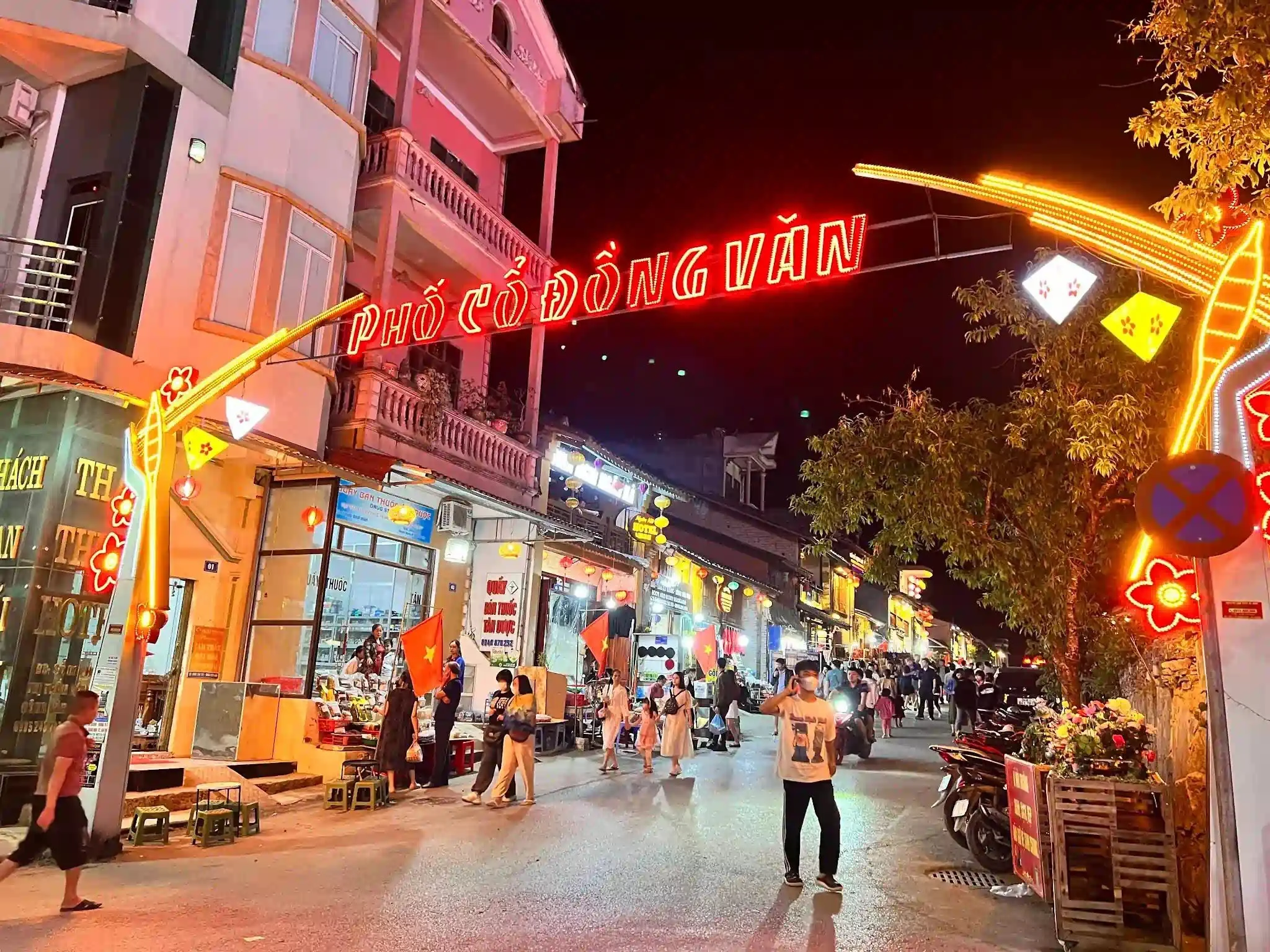
Dong Van old quarter at night. Photo: Vietadvisor.
Ma Pi Leng is the pass itself. Most people stop at the top and walk out towards the viewpoint. The walk takes about fifteen minutes and it's a better idea than riding the narrow path, because the path gets crowded.
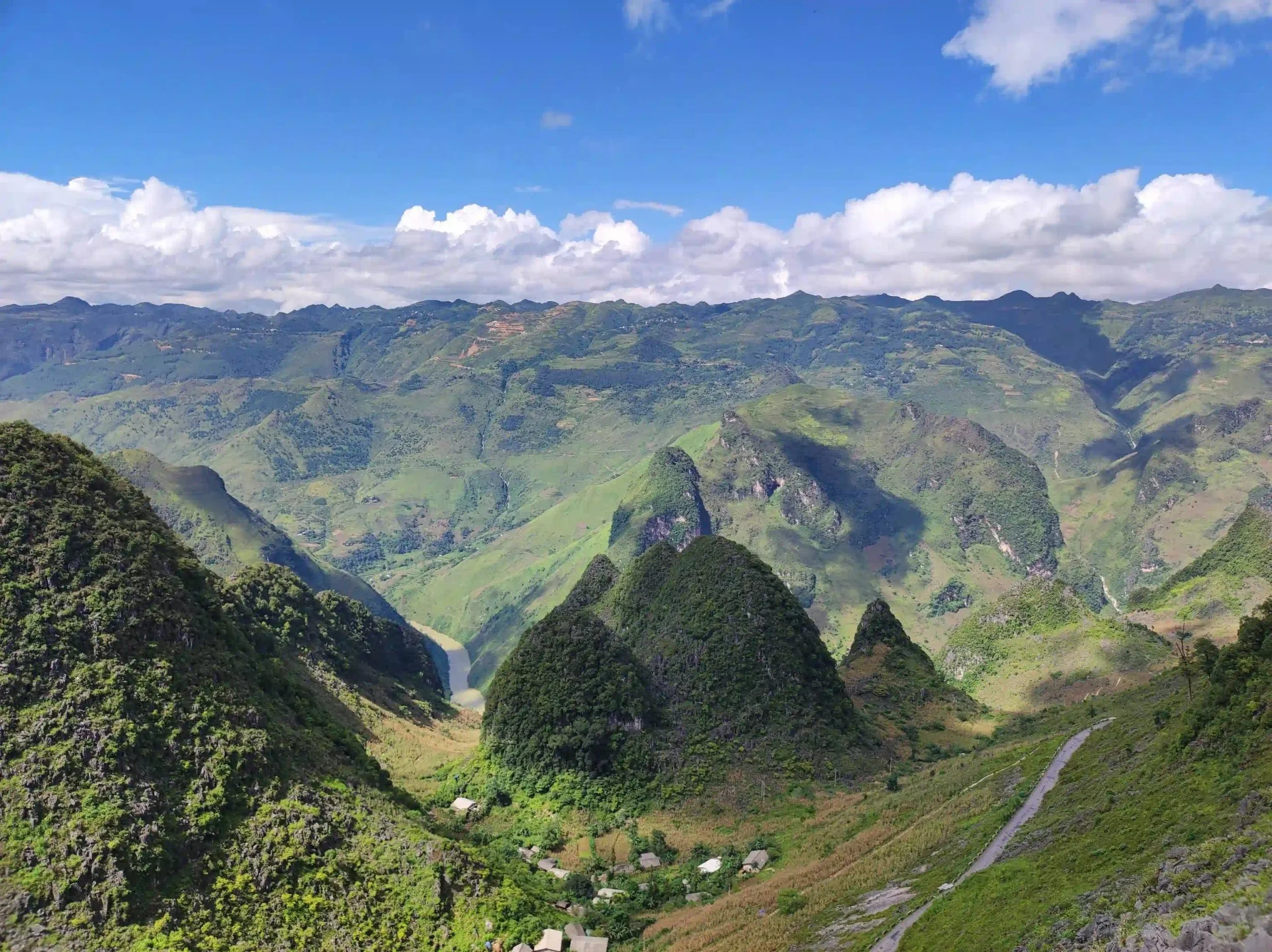
Ma Pi Leng pass and the Nho Que river below. Photo: Vietadvisor.
Below it, the Nho Que boat is 120,000 VND each, or 1,200,000 VND if you take the whole boat. The access road gets blasted at around 11am and again at about 5pm, which can mean a long wait.
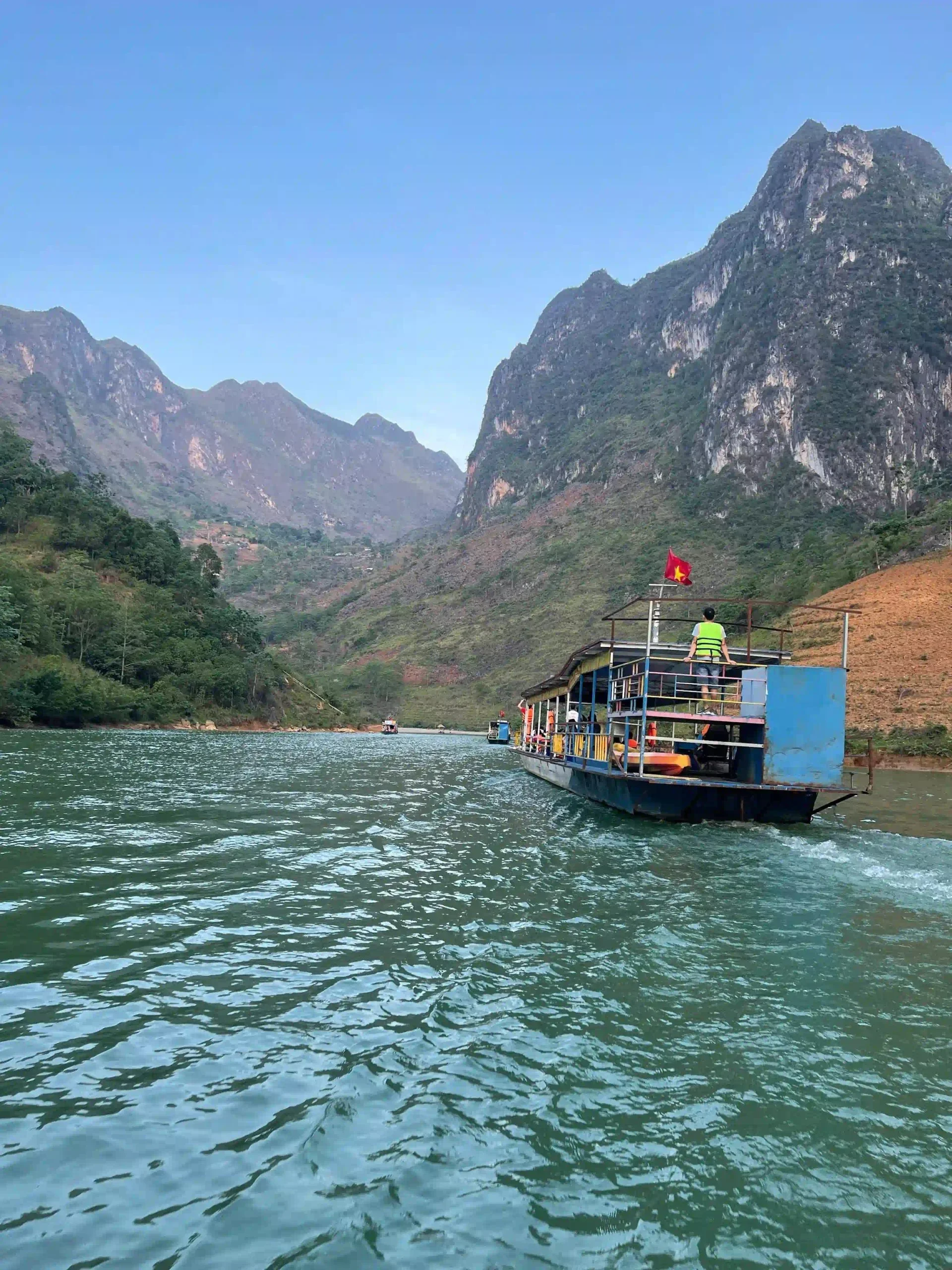
The Nho Que river boat in Tu San canyon. Photo: Vietadvisor.
Du Gia is the quiet leg, with a waterfall you can swim in. It's the main argument for taking four days.
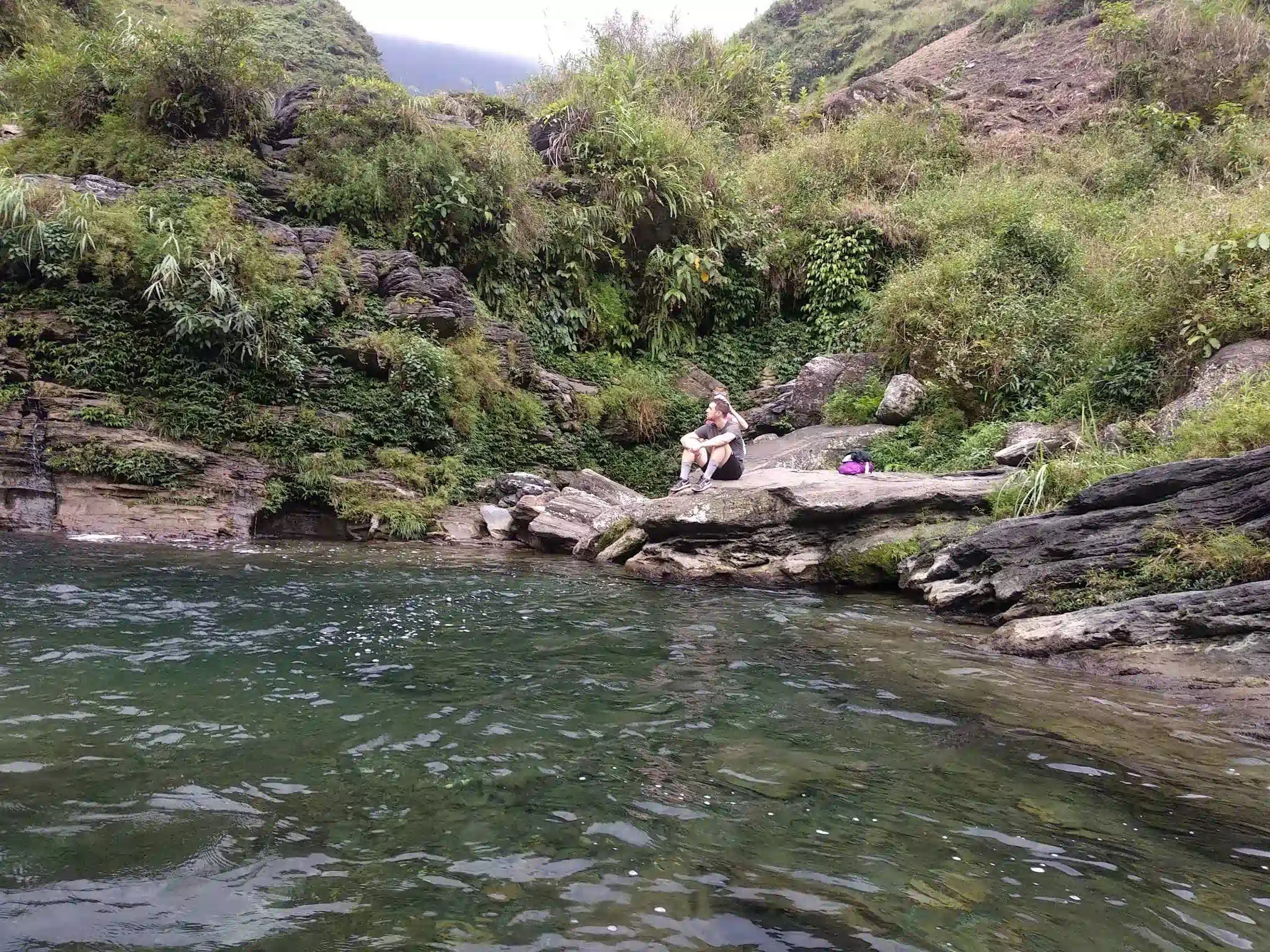
The waterfall pool at Du Gia. Photo: Vietadvisor.
The day-by-day version of this route, with the distances and the hours, is in my Ha Giang Loop guide.
Three Days or Four?
Three days is the standard trip, five to six hours a day, and it covers Quan Ba, Yen Minh, Dong Van, Ma Pi Leng, and Meo Vac. As with planning a road trip anywhere, it helps to decide which stops matter most before choosing your itinerary.
Four days adds Lung Cu, an unrushed boat ride on the Nho Que, and a morning at the Du Gia waterfall. The extra day costs about $40 on an easy rider tour, and I have never once regretted spending it.
The bus decides your last day more than the tour does. The last comfortable bus from Ha Giang city back to Hanoi leaves at around half four, so the final day has to be finished by three at the latest.
Coming in is easier. The night bus from Hanoi leaves between nine and eleven and gets in around four or five in the morning, and most hostels and tour companies will let you shower, leave your bag and sleep on a sofa until the tour starts.
When I'd Take the Car Instead
When you have parents or children in your group, it is wise to take the car. As with any family road trip, comfort and preparation matter, especially when you're spending hours on winding mountain roads.
If anyone in the group is truly frightened of being on a bike, four days on the back of one can be four days of not enjoying it. A car covers the same road just as well.
The wet season is another reason to take the car from May to August, or if the forecast calls for fog for the whole trip. A good trip on the right day is much better than a cold, wet one on the wrong day.
Count the bus days before you count the tour days. The tour is three days, and the trip is five.
vYou don't need to ride a motorbike to experience Vietnam's Ha Giang Loop. Discover how easy rider tours, private cars, and jeeps compare in price, comfort, and safety. Learn what to expect along the route, which stops you'll see, and whether a three or four-day trip is best.