

Things to Do in Mykonos: The Ultimate Insider's Guide
Most people think they know Mykonos before they arrive. They picture white walls, rooftop bars, and the kind of excess that ends at sunrise. Some of that is true. But the island has a way of surprising even the most cynical visitor — with its history, its quieter corners, and a beauty that has nothing to do with nightlife.
Mykonos is one of the most striking islands in the Aegean. The light here is different. The architecture is particular to this place in a way that photographs cannot fully capture. And beneath the high-season noise, there is a real island worth exploring carefully.
Here is how to do it justice.
Mykonos Town: Get Lost on Purpose
Chora, the island's main settlement, was designed to confuse. Narrow lanes twist back on themselves. Dead ends appear without warning. Streets that seem familiar lead somewhere entirely new. This was intentional — the layout was built centuries ago to disorient pirates navigating on foot.
Today it disorients tourists instead, which is arguably a better outcome. The best way to experience Chora is to put the phone away and walk without a destination. You will stumble across tiny chapels, hole-in-the-wall bakeries, and courtyards that feel entirely private despite being steps from the main drag.
The area known as Little Venice sits at the western edge of town, where the oldest houses in Chora extend directly over the water. The wooden balconies, painted in deep reds and blues, look as though they are growing from the rock. Sunset here draws a crowd for good reason — the way the light falls across the water at dusk is one of those sights that stays with you.
The Windmills
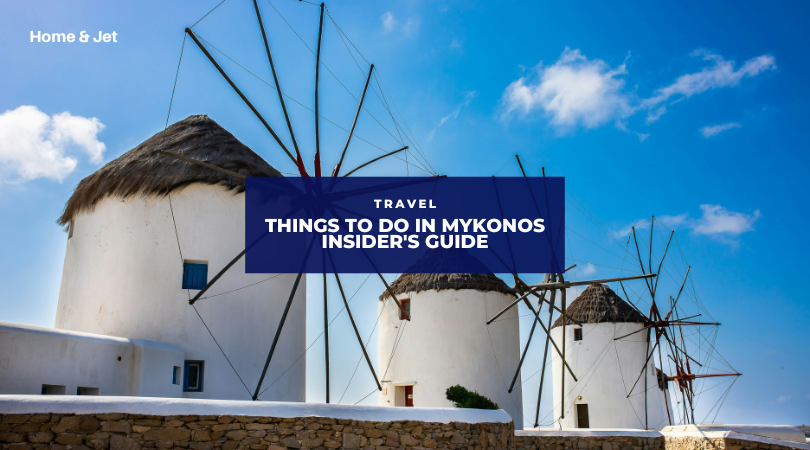
Seven windmills — not five, as many sources state — sit on the Kato Myli hill above Chora. They were constructed during the Venetian period to process grain from passing trade ships. Most date from the 16th century, though some estimates place the oldest ones earlier.
They no longer function as mills. But as landmarks, they are quietly extraordinary. The hill they occupy gives you a clean sightline across the harbor, the rooftops below, and the open water beyond. Late afternoon is the best time to visit. The angle of the light at that hour makes even a quick phone photo look considered.
The Beaches
The southern coast of Mykonos is where most of the beach action concentrates. Each stretch of sand has its own character, and choosing the right one depends entirely on what kind of day you want.
Psarou is compact and sheltered, with flat, calm water and a well-organized setup. It books out fast. Reserve sunbeds ahead of time if you plan to go on the weekend.
Paradise and Super Paradise are exactly what their names imply — loud, social, and relentless from mid-morning onwards. They are worth visiting for the atmosphere, but not if you are looking for quiet.
Agios Sostis sits at the opposite end of the island and the opposite end of the experience. No music, no sunbed rental, no bars. Just a long natural beach and water that shifts between pale green and deep blue depending on the angle. It is one of the few places on the island where you can hear yourself think in August.
Elia sits on the southeastern coast. It is wider than most Mykonian beaches, the water is clear, and the crowd is usually more relaxed.
If you want a simple rule: choose Psarou for comfort, Paradise for nightlife, Agios Sostis for quiet, and Elia for space.
Food and Dining
Mykonos has evolved into a serious culinary destination over the past decade. The gap between a good meal and a forgettable one has narrowed considerably, though the best experiences still tend to reward those who seek them out rather than stumble upon them.
For unfussy, honest Greek food, the back streets of Chora hide a handful of family-run tavernas that have been feeding locals and in-the-know visitors for generations. Fresh octopus, slow-roasted meats, and dishes built around whatever came in that morning from the sea are the things to order.
At the more ambitious end of the dining spectrum, LPM Restaurants brought its French Riviera-inspired concept to Mykonos in 2024, operating from within the Anandes Hotel with open views across the Aegean. The menu is built around sharing — clean, ingredient-led dishes that draw from the same Mediterranean pantry that defines the island's own culinary identity. It is a natural fit for Mykonos, both in terms of the food and the setting.
For drinks and sunset watching, the rooftop bars clustered around Little Venice offer front-row seats to the Aegean in the early evening. Arrive before 7 pm. After that, finding a seat becomes its own challenge.
Delos: The Island Next Door
A short boat ride from Mykonos harbor sits one of the most important archaeological sites in the Greek world. Delos is uninhabited today, but for several centuries it functioned as one of the most important religious and trading centers in the ancient Mediterranean.
According to Greek mythology, it was the birthplace of Apollo and Artemis. This made it sacred ground — at various points in its history, births and deaths were actually prohibited on the island to preserve its purity.
The ruins are extensive and remarkably intact. The Terrace of the Lions, featuring a row of archaic marble sculptures that have stood since the 7th century BC, is the site's most iconic feature. The mosaics inside the wealthy merchant houses from the Hellenistic period are equally impressive and far less visited.
Morning ferries depart regularly from Mykonos harbor. Bring water, proper footwear, and sun protection. There is minimal shade on the site, and the midday heat in summer is serious.
Getting Out on the Water
The coastline of Mykonos looks entirely different from the sea. Angles that are invisible from land — cliff faces, sea caves, stretches of uninhabited shore — reveal themselves the moment you leave the harbor.
Boat tours run daily from both the main port and Ornos beach. Most cover the southern beaches with swimming stops included. Private charters are straightforward to arrange and give you full control over the itinerary. The harbor in peak season carries an impressive collection of luxury yachts from across the Mediterranean, and renting even a small vessel for a half-day changes how you understand the island considerably.
When to Visit
August is Mykonos at full volume. It is also Mykonos at its most expensive and most crowded. If that energy suits you, go in August. If it does not, go in June or September instead.
Both shoulder months offer nearly identical weather, fully open restaurants and bars, and an island that has room to breathe. May is quieter again — warm enough for beach days when the sun is high, and genuinely peaceful in the evenings.
The island between October and April is a different place entirely. Most businesses close. The permanent population of around ten thousand carries on with daily life, and Mykonos reverts to something closer to what it was before the world discovered it.
Final Thoughts
Mykonos is easy to underestimate and easy to misread. Arrive expecting only a party, and you will miss most of what makes it worth visiting. Arrive curious, with time built into your days for wandering and slowing down, and it pays you back generously.
The old town rewards patience. The northern beaches reward the effort to reach them. Delos rewards anyone willing to get up early.
Pour a glass of local Assyrtiko, find a terrace with a view of the water, and let the island show you what it actually is.
About the author:

Sofiko Saltkhutsishvili is a content writer and a Partner Marketing Manager at SEO Sherpa – Global Best Large SEO Agency Winner. The agency focuses on SEO, PPC, Digital PR, and Search Everywhere Optimization.
Sofiko enjoys conducting in-depth research on topics she writes about and shares her authentic experiences with readers. On the side, she is a Creator Agent, connecting LinkedIn creators to the right brands for partnerships. Originally from beautiful Georgia, she currently resides in its capital, Tbilisi.

Moving to Dubai? From visas and driving licenses to finances and daily life, here is everything you need to know before and after you arrive.